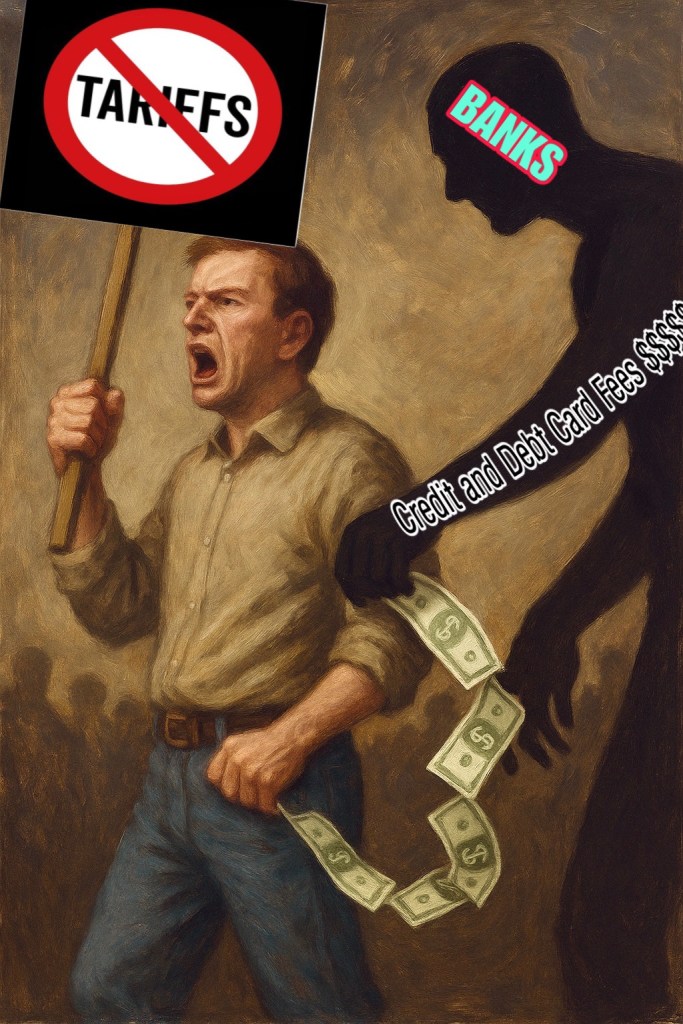
It cracks me up watching people lose their minds over tariffs, because it’s Trump’s move, and they’d hate him no matter what.
Donald Trump could hand them a million dollars and they’d still be foaming at the mouth.
They scream about tariffs that haven’t even kicked in yet, but not a word about the bank fees we’ve been quietly gouged with for years.
Meanwhile, the outrage at bank fees?
Silence.
You walk into a shop and see a sign: “As of August 1st, there will be a 2.5% fee for all credit and debit card transactions.” They get you hooked on the “convenience,” then cash disappears, auto-pay becomes mandatory, and the privilege of paying bills are taxed. The skim never stops. Miss a due date by one day? Boom, 30% interest plus a $35.00 late fee.
Everywhere you go, companies tack on transaction charges, 2%, 3%, sometimes 5%, because cash isn’t welcome anymore. Credit and debit are the only options, and the banks skim off the top without anyone blinking.
Where’s the outrage over that?
Maybe because it isn’t Trump’s doing. Maybe because banks don’t wear a red or blue jersey, so their squeeze just feels like “business as usual.” Tariffs make headlines; bank fees just empty pockets. Funny how selective outrage works.
And here’s the kicker, people assimilate with the same poison, then pretend it’s something else. They call it justice, call it progress, but really, they’re just staring in the mirror, nodding at the same rot they claim to fight, and never realize the drain needs cleaning the until it backs up.
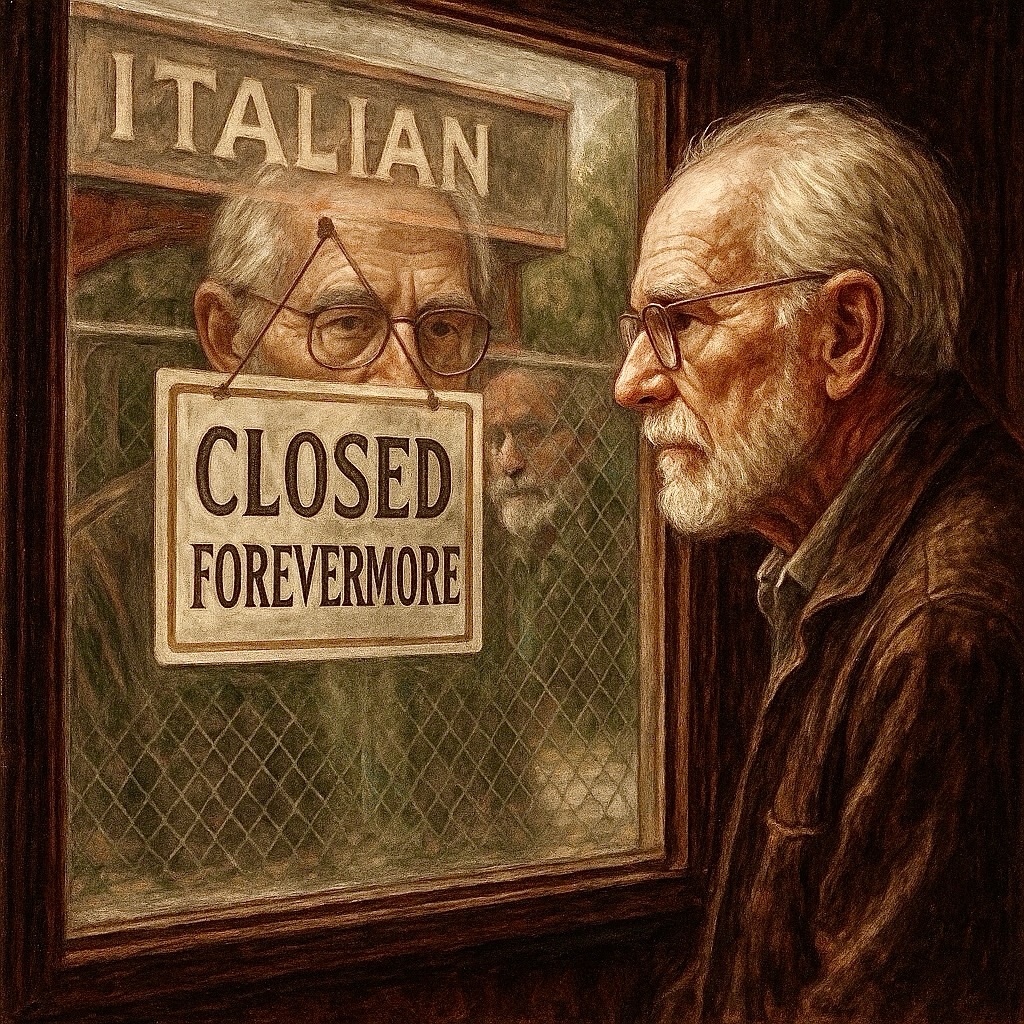
I drove past an Italian restaurant today, one that had stood for forty-six years. A fence now circles it, and plywood pressed against the windows. No warning. No farewell. Just gone.
It was a place my daughter loved, she adored the lasagna. We’d sit together in the warm hum of conversation, while celebrities of another era smiled down from the photo-lined hallway to the restrooms, their signatures fading but still proud.
The dining room was always alive with older couples lingering over wine, laughter woven into the glow of chandeliers, the comfort of leather booths, and the quiet dignity of dark wood. The popular palette of past times.
And now? Erased. Being replaced by another apartment complex in congested Santa Monica. History exchanged for “progress.” A casualty of greed, as so many iconic places are. The soul of community traded for corporate sameness, prepackaged meals, and fast-food neon.
As the band, America, a band from yesteryear, plays in my car, I find myself thinking about all the remarkable places that once gave shape to a this city, to a life, and how they vanish, one by one.
And maybe it stings more now because my only daughter, my middle child, has just moved across the country for college. The restaurant is gone. She is stepping into her own world. Progress.
And I remain, carrying the melancholy weight of change, tasting memory like a dish that can no longer be ordered.
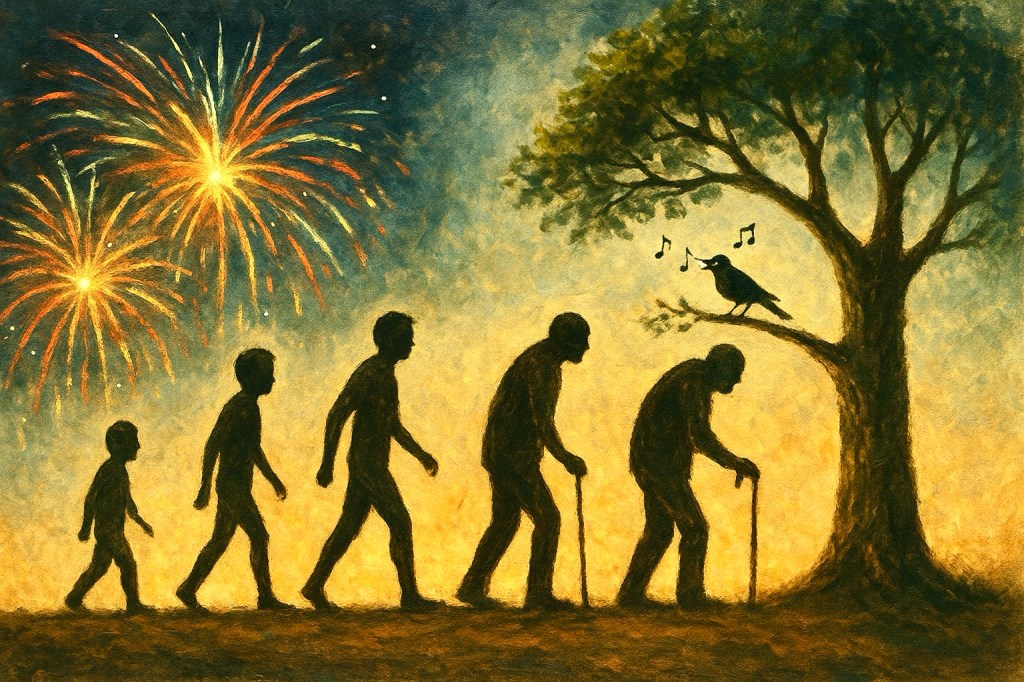
In the end, it isn’t just a restaurant closing or a daughter leaving home, it’s the reminder that nothing stays the same. Places fade, children grow, and songs, once chart toppers, slip into oldies stations.
What remains is the love stitched into those memories: lasagna shared, laughter under chandeliers, singing songs together on a beautiful drive and the feeling of being one.
Progress may take the walls, but it can’t erase the moments that made them sacred.
I am now the old man at the looking glass, watching memories fade yet flicker, realizing just how precious time has always been, then, now, and tomorrow. We take it for granted until it’s gone, like a beloved restaurant behind a fence, waiting for the backhoe. One day, I too will be enclosed, my own fence drawn, waiting for the backhoe.
Until then, I hold fast to the love, the laughter, and the fleeting beauty that make life worth remembering.
As the fine China and silverware gets auctioned off to the antiques store, plastic replaces and translates to a progress without soul.
Permanence is replaced with disposable, convenient, and forgettable.
As our bodies drift toward becoming plastic and our minds dissolve into the digital, I am thankful that I was born when I was, in a world still lit by chandeliers, warm incandescent bulbs by family tables and roll down windows in cars, before FM radio.
I’m simply glad I lived in a time before the disposable became the norm. My hope is that I’ve left enough of myself in my children, that they carry not only my stories but also the stubborn belief that some things, love, memory, and ritual, must remain untouched by progress.
Motion without purpose is only relevant until replaced, everything becomes a placeholder, waiting to be discarded for the next thing.
Machines grow clever, while our minds forget their strength. A cleverly designed plan.
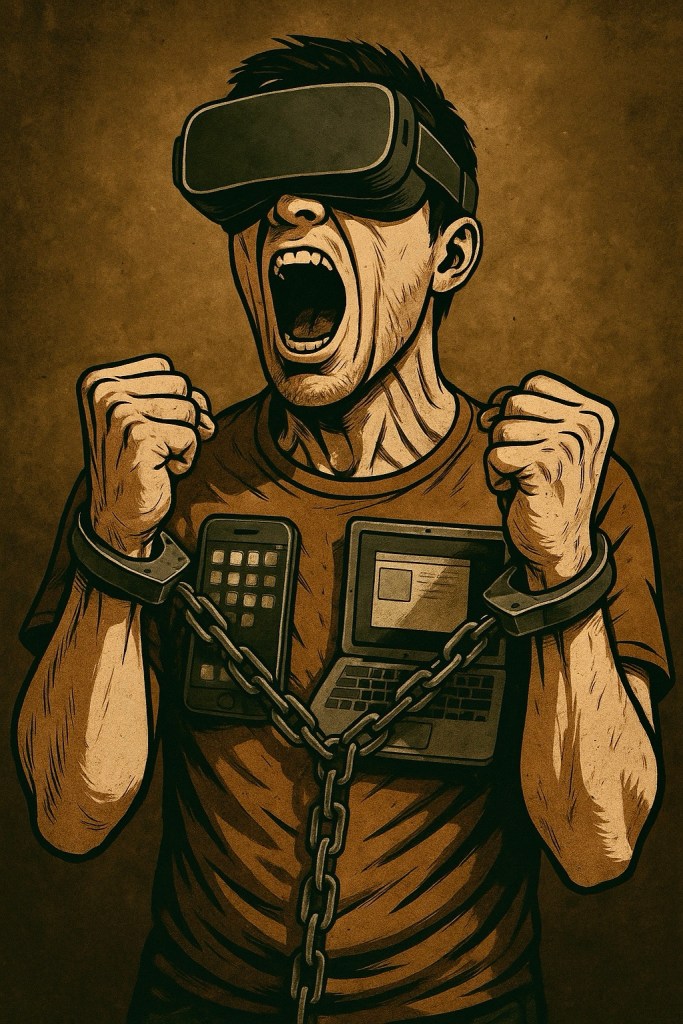
I never asked for AI, I never asked for cell phones, I never asked for computers and electric cars with computers controlling them.
However, I’m wrapped tight in their circuits and screens, because fascination drew me in, because we are programmed to voluntary attach ourselves to it, not knowing the harm it does to freedom.
The paradox of progress: nobody asked for most of this, yet here we are, entangled in it because curiosity and convenience drew us in.
We didn’t have a vote, but we did have a choice, the choice was often made with one click, one download, one upgrade at a time, a stream, until suddenly it wasn’t optional anymore. It became the air we breathe, becoming a part of us.
It is an illusion of comfort and convenience that is making us useless day by day, minute by minute and second by second.
Not realizing we are becoming more and more dependent and united on becoming useless.
On the surface, it sounds like solidarity: “These are my people.” But in propaganda, it can work as a shortcut to emotional alignment, grouping you with others based on one shared trait, belief, or preference, even if that commonality is shallow or irrelevant.
It’s tribalism marketing, using belonging as bait. The cause may have little to do with the thing you have in common, but once you buy into “these are my people,” you’re more likely to accept the rest of the package without questioning it.
It’s an old trick in persuasion because humans are wired for group loyalty, and the label “my people” can bypass critical thinking.
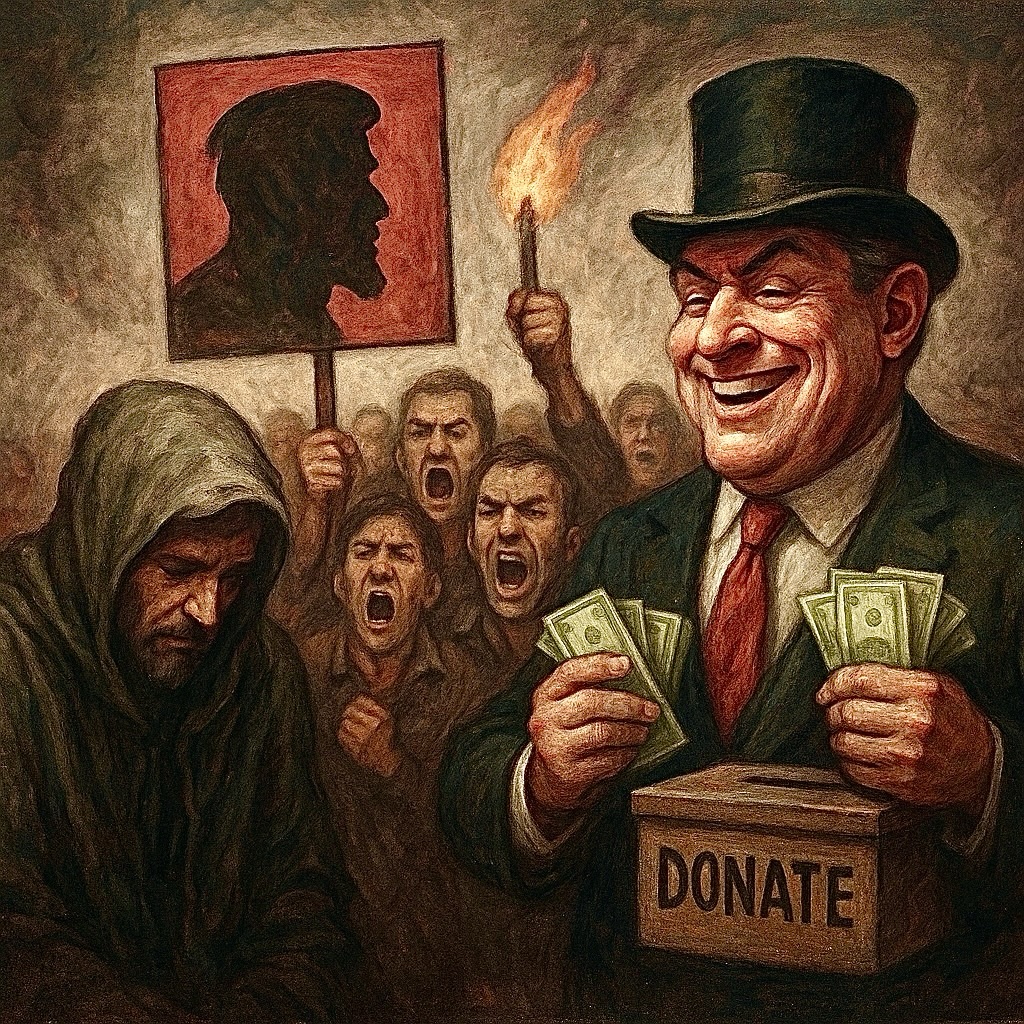
It’s corruption, pure and simple, a con dressed as virtue. They bamboozle people into thinking they stand on the high moral ground, then turn them into unpaid marketers, posting propaganda to keep the movement alive and the money flowing.
Free labor to push a narrative.
Find a hook, create the enemy, build a tribe, sell them the mission and they keep the money flowing in.
Man wasn’t meant to wake to a blaring alarm in darkness, jolted into fight-or-flight mode before the day even begins.
The soft changes in light and temperature should be our only alarm clock, the way humans woke for thousands of years. Anything else is a jolt to the nervous system, pulling us out of nature’s rhythm before the day has even begun.
From a physiological standpoint, waking up to an alarm clock is a stress grenade. It yanks you out of whatever sleep cycle you’re in, spikes your cortisol, and primes you for anxiety before you’ve even had water. That’s not how humans evolved, our bodies respond better to waking with light, sound, and temperature shifts that happen naturally.
Our bodies weren’t built for eight-hour grinds with 29 minutes, scarfing down our food within the workplace either.
Some days people even trade their lunch time for nap time to regenerate their energy.
Before the Industrial Revolution, people woke naturally with sunrise or with the help of external cues, roosters, church bells, or someone literally knocking on their door.
In some towns, there were “knocker-uppers,” people paid to tap on windows with long sticks to wake workers.
The eight-hour workday is another industrial-era artifact. It was a compromise between exploitative 12–14 hour shifts and the human need for rest, but it’s still not in sync with our natural rhythms.
Studies on cultures without modern work schedules show people work in bursts, rest midday, and have social or creative periods woven into the day. Napping isn’t laziness, it’s part of how our brains consolidate memory, repair, and maintain mood.
Humans evolved to work in variable bursts, hunting, gathering, building, with rest periods in between. The rigid eight-hour block ignores seasonal changes, energy cycles, and personal variation.
The modern “alarm-to-desk” cycle was built for machines and markets, not for the human nervous system. It’s efficient for the economy, but taxing on health, which is why so many people drag themselves through the day running on caffeine, cocaine and stress.
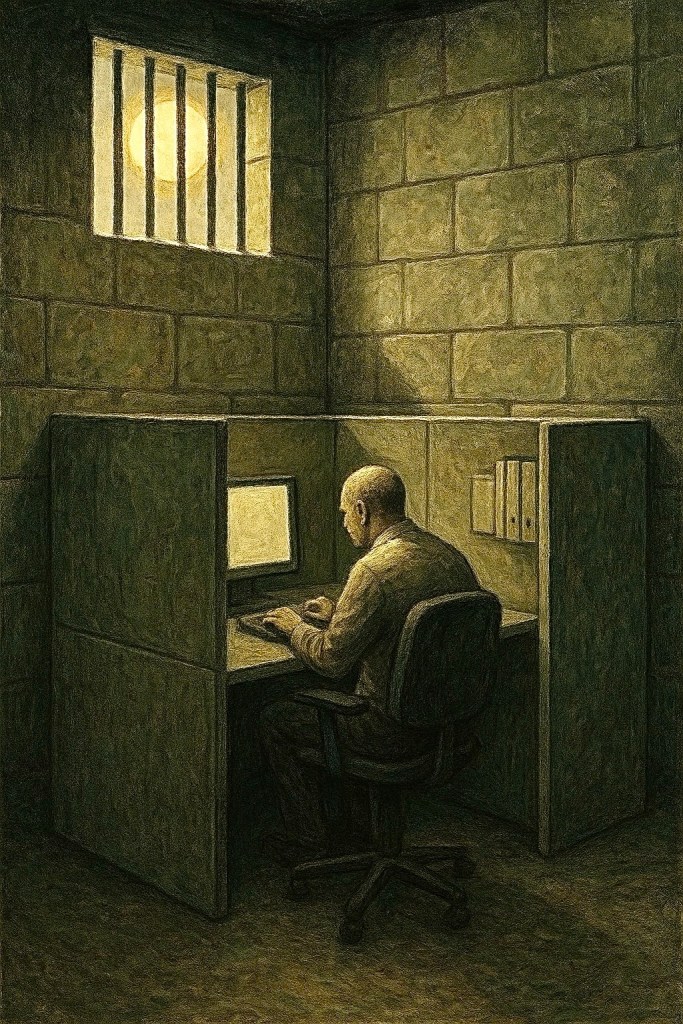
We were indoctrinated to choose fluorescent lights and cubicles over fresh air and sunshine.
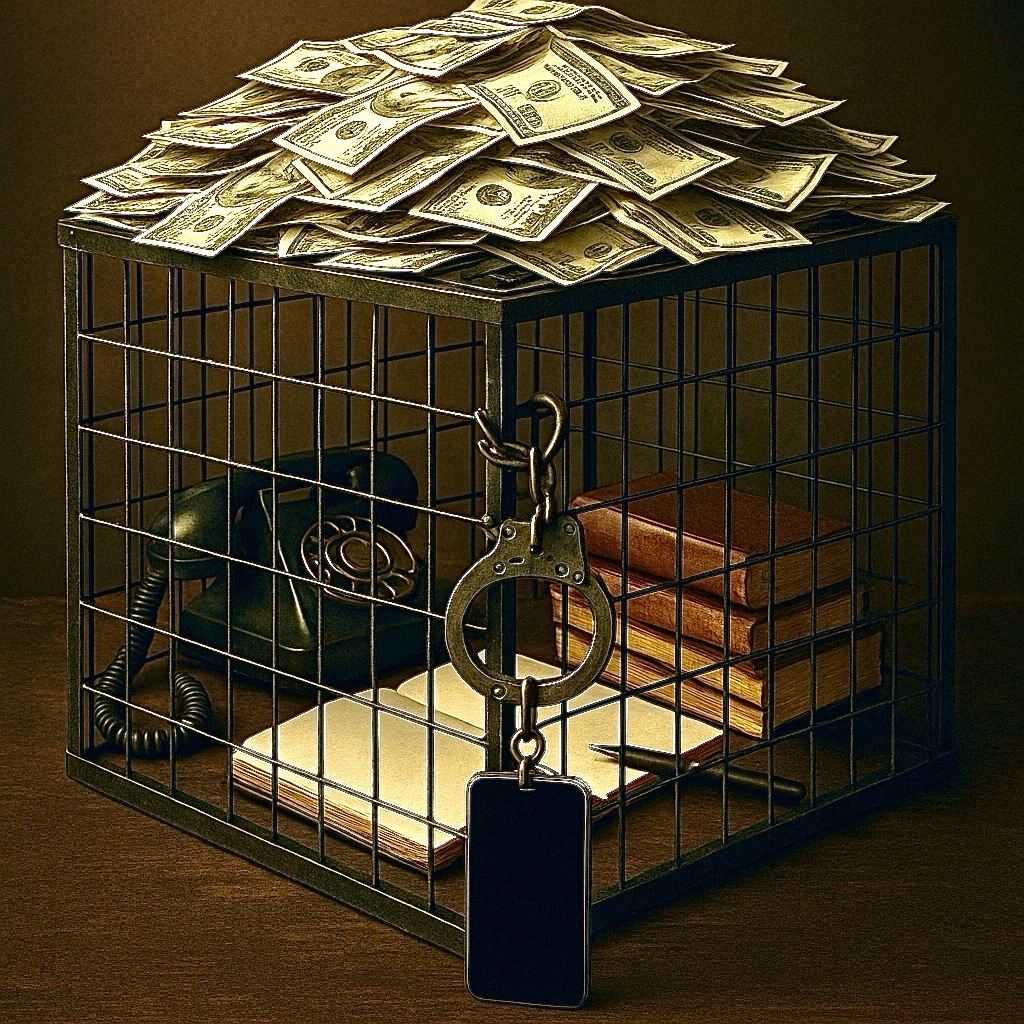
And by the time we figure this is smoke and mirror malarkey, we’ve shackled ourselves with credit debt and lost the freedom Mother Nature once offered.
We’ve mistaken a system built for profit as a schedule meant for people, and we wonder why everyone’s exhausted, miserable and fed up.
Just pay for the prescriptions and get back in line for a chance at retirement in a hospital bed. Tomorrow, it all begins again.
People often say, “I’ll meet you in the afterlife” or “I’ll see you again on the other side.”
It isn’t based on evidence, it’s a way of holding on to someone we’ve lost, a psychological tether to something we know nothing about, and a way to avoid facing the finality of death and just letting go.
The truth is, we don’t know what happens when life ends. Dwelling on it doesn’t get you a ticket. Just let it go.
Religions and philosophies offer many explanations, but none can be proven. Just dogma for dogmatic reasons. Just let it go.
Treat it like tomorrow and keep your stride. We don’t know the outcome of the game until the clock ticks 0:00.
The idea of reunion after death, comforts us because accepting permanent separation from an intrinsic part of ourselves is difficult. Just let it go. The memories are real.
No one wants this state of being to end, and fairytales give us hope it doesn’t. Just let it go.
When we draw the final breath, and the synapse fires its last shot, does the play go on without us, or has the curtain already fallen on all existence?
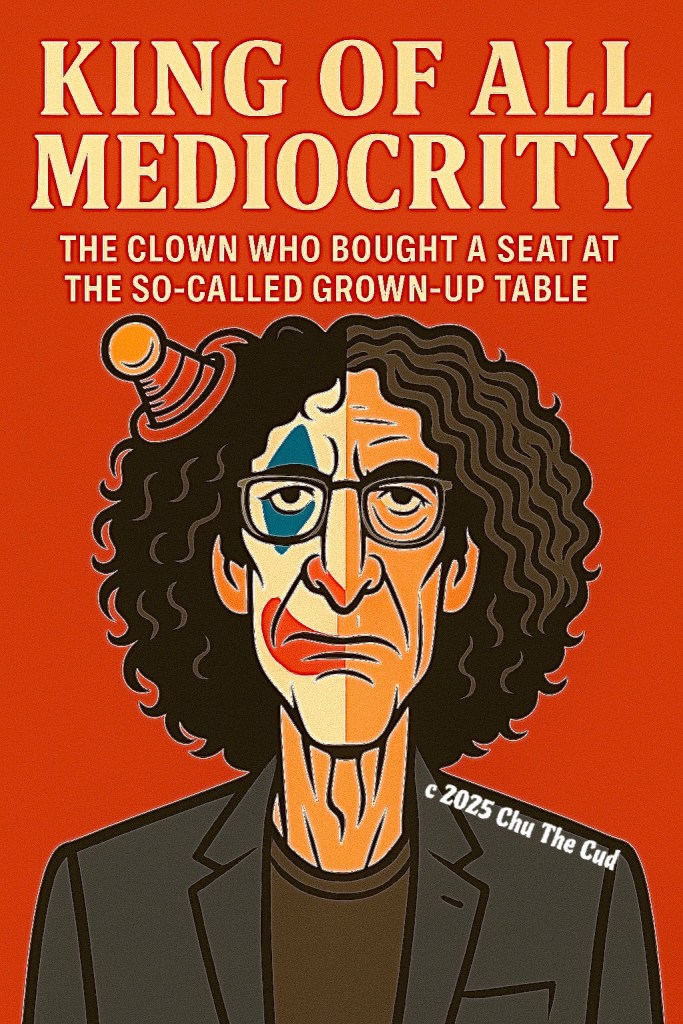
The Clown Who Bought a Seat at the so-called Grown-Up Table.
There was a time when hearing Howard Stern’s voice on the radio felt like tuning into a live wire. Raw, dangerous, unfiltered. While living in Boston, I’d listen to the replays on the WBZN, because that’s all I had at the time.
When I moved to L.A., I’d listen as I would drive from one studio to the next delivering videos of tv shows to producers. In a city where it takes 45 minutes to go five miles, you need a good co-pilot.
When I was editing films at night for a company, I would have on, Howard 100 and listen to the days replay while waiting for the project I’m editing to upload or render.
Stern was that guy. The guy who said what you weren’t supposed to give a fuck about was the establishment.
The guy who gave a microphone to the misfits and told the elites, producers and the FCC to shove it. He even considered running for political office until he was asked to show his tax returns.
A man who consistently embarrassed his wife and parents on air for ratings. Giving disable people and staffers, derogatory nicknames. Bullying women to take their clothing off and berate them afterwards for ratings.
But somewhere along the way, the King of All Media abdicated.
Howard Stern once thrived on being the uncensored id of American radio: a guy who pushed boundaries, mocked sacred cows, and gave voice to misfits, pornstars and outcasts while gleefully flipping off mainstream respectability.
He made his name by not caring who he offended. But then, something shifted, and not just in tone, but in foundation.
Once he remarried and started rubbing elbows with the Hamptons crowd, he traded unpredictability for polished hypocrisy. The man who used to roast celebrities became one, earning over a billion dollars during his time at SiriusXM. Now worth about $650 million.
The “King of All Media” began sounding like the court jester in someone else’s castle. Not the one he built.
A new CEO was appointed to SiriusXM.
It started subtly. A softened tone here. A backpedal there. Renaming members of the “Whack Pack” so as not to offend. That was the first crack in the armor.
You can’t build a legacy on brutal honesty, then suddenly develop a conscience shaped like a Hollywood PR firm and attack those you brought along for the ride and while they paid for the gasoline.
When the guy who made a career mocking women, mental illness, obesity, and celebrity hypocrisy suddenly became sensitive to labels, it was like watching a punk band put on khakis and start playing brunch gigs with elevator music, acoustically without amplifiers.
And then came, COVID. That was the tipping point. Not because of health concerns, but because Stern, who once prided himself on questioning authority and mocking the herd, became the loudest megaphone for the herd. Saying people who don’t get the vaccine should be denied hospital care and should go home and die, from behind the locked doors of his home studio.
Screaming about masks.
Shaming the unvaccinated.
Preaching fear from a mansion bunker. It wasn’t brave, it was performative. A guy who once stood apart from the Politically Correct Crowd became an eager mouthpiece for the PC crowd and is now crowned, “Woke.”
Stern, once a master of mocking both sides, turned into Rachel Maddow with a better wig and plastic surgery. He wasn’t just political, he was predictably political. The kind of guy who suddenly loved all the people he used to mock, so long as they hated the same guy he did.
The comedy died. The rebellion died. Daily talks of kitty cats and TDS tirades was now common practice. And what remained wasn’t Stern, it was a neutered, virtue-signaling shell, bearing his name. A man who now takes himself too seriously like a Sage, after decades of not giving a crap and gladly collecting fines from the FCC.
It was only a matter of time before the faithful snapped out of it. You can only gaslight your audience for so long before they remember what made you worth listening to in the first place.
He didn’t just lose the edge. He sold it off to join a group of Elite Woke Social Warriors, and people noticed.
There was a time when Howard mocked the insane, the disabled, the downright bizarre, and somehow, you knew it came from a place of strange affection. It was all part of the show. Behind the curtain, he actually cared for the outcasts he amplified.
But now, that warmth is gone.
What’s left feels cold and arrogant.
He’s no longer poking fun to include people, he’s sneering to exclude them. If you don’t think like he thinks, feel like he feels, or fall in line with his worldview, you’re dismissed as stupid, dangerous, or beneath him and shouldn’t be allowed outside your home until you fall in line with his thesis of how to behave.
It’s not just unfunny, it’s smug. And he’s not alone. His buddy Jimmy Kimmel walks the same path: once a jester, now a self-appointed moral authority with a laugh track.
In the land of Sinaplenty, redemption doesn’t come from the hypocrisy of reinvention, it comes from owning the damage done to those you exploited on your rise to the Billionaire’s Club.
The change is now owed to the elite who embraced him once he could afford the entry fee.
It seems in today’s society we have lost use of moderation.
Moderation of thought moderation of consumption moderation of technology moderation of politics.
Do you think this is happening because of a plan or a scheme?
Because this cannot be truly evolving.
In an economy driven by attention deficits and consumerism, moderation is bad for business.
Moderation of thought means you’re harder to manipulate.
Moderation of consumption means you buy less.
Moderation of technology means you spend less time scrolling and streaming.
Moderation of vices keeps you in control of you.
Moderation in politics means you’re harder to herd into ideological and idiotic pens.
Extreme sells.
Outrage engages.
Addiction monetizes.
This drift from moderation isn’t a natural step in human development. It’s a guided descent into fragmentation.
Moderation is an obstacle to those who profit from division, chaos, and dependency. The more extreme you are, the more predictable you become, and the easier you are to manipulate.
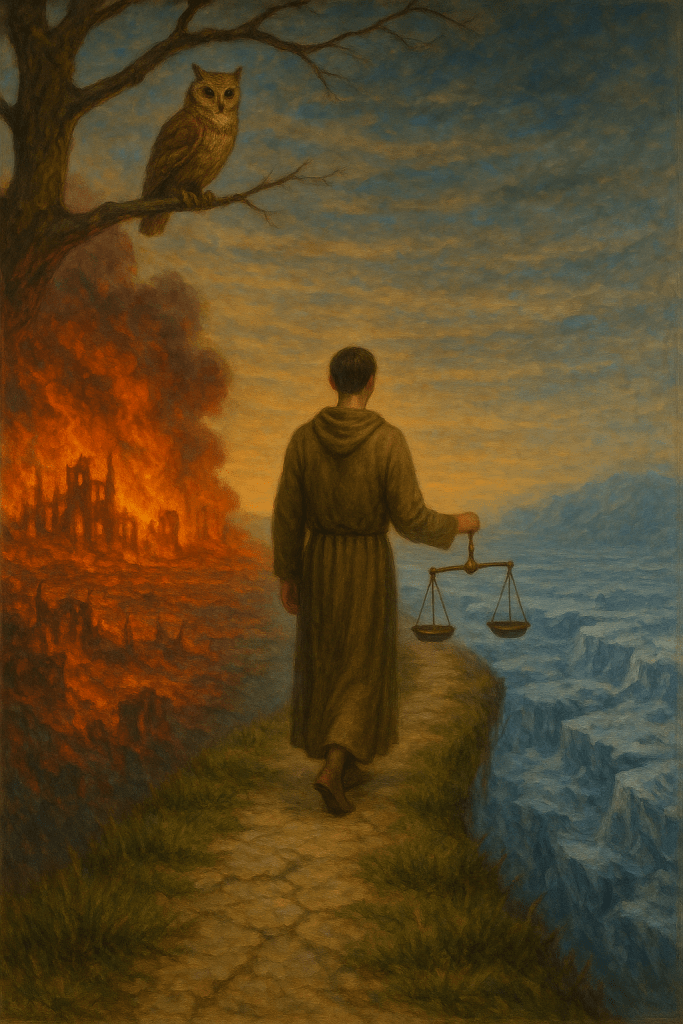
Moderation walks unseen.
Moderation isn’t passive or active, it’s common sense cloaked in invisibility, present in balance but absent from spectacle.
 Chu The Cud