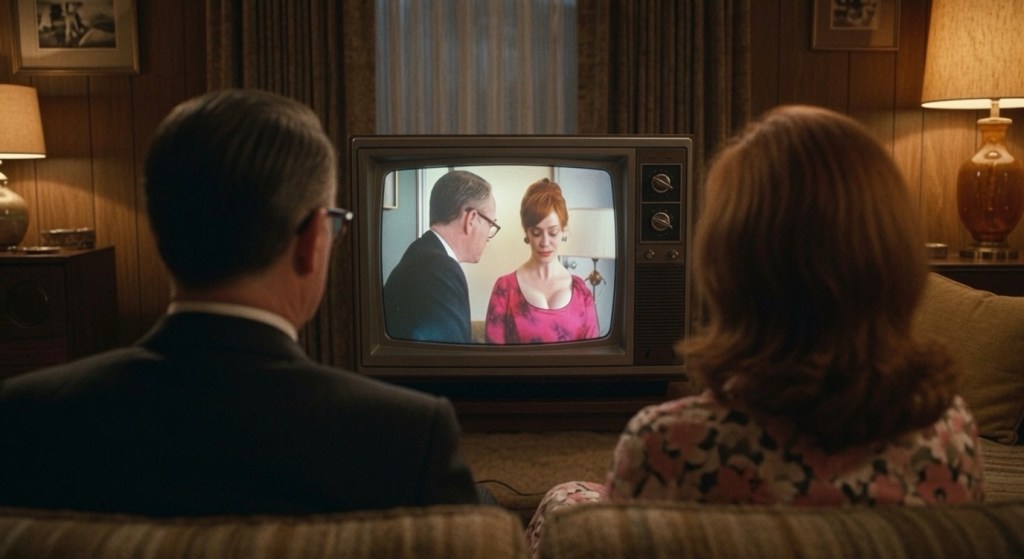
I was a huge fan of the AMC series Mad Men. My wife and I would look forward to Sunday nights, sitting together on the couch and watching each new episode. It became a weekly ritual.
The show revolved around the characters and storylines inside the Madison Avenue advertising world of Sterling Cooper, a place filled with ambition, betrayal, creativity, and larger-than-life personalities.
I don’t remember exactly when the shift happened, but somewhere around Season 6, Mad Men started to feel different. The tone became darker, the writing became more introspective, and some of the lightness, wit, and sharp dialogue that defined the earlier seasons seemed to fade. New characters were introduced, some interesting, but many not as immediately compelling as the original cast, and the balance of the show began to change.
Characters who had once been central seemed to lose some of their importance. Roger Sterling, with his effortless charm and humor, felt diminished. Betty Draper, who was such an important part of the early seasons and represented a major contrast to Don’s life, seemed pushed further into the background. It felt as if some of the original characters were being moved aside to make room for newer, smaller roles.
In the summer of 2026, I decided to rewatch Mad Men. Part of the reason was the lack of anything truly interesting or stimulating among the endless streaming services we now pay for. I wanted to revisit a show that once had me completely invested.
But something unexpected happened. Halfway through Season 6, I found myself drifting off, losing focus, and no longer feeling the same urgency to continue watching. Before that, I could easily sit down and watch three or four episodes in a single sitting. Now, I’m trying to understand why the experience feels exactly the same as it did back in 2013, the same disconnect, the same loss of momentum, and the same feeling that something changed in the show’s identity.
Maybe that is the most interesting part of revisiting Mad Men: realizing that my reaction hasn’t changed with time. What I felt when Season 6 originally aired is the same feeling I have now. The transition was not caused by age, nostalgia, or simply knowing how the story ends. Something about the show’s rhythm and focus shifted.
Mad Men had become much more of a workplace ensemble drama than a story about Don Draper balancing two worlds, the family man and the advertising executive. That evolution may have been intentional, but for me, something about the magic of the earlier seasons was lost along the way.
I’ve had a similar experience with The Office. Once Steve Carell’s character, Michael Scott, was written out of the show, I found it difficult to stay invested. Michael wasn’t just another character, he was the center of the show’s energy. His awkwardness, humor, and unexpected moments of sincerity created the emotional connection that held everything together.
After his departure, the show continued, but something essential was missing. The chemistry and dynamic that made the earlier seasons work had changed. When watching through streaming today, I rarely continue past Season 7 because the show no longer feels like the same series without Michael Scott.
It’s interesting how both Mad Men and The Office demonstrate how much a television show can depend on its central characters. Even with talented writers, strong supporting casts, and a familiar setting, removing or diminishing the characters audiences have built a connection with can change the entire experience.
c 2026 Chu The Cud
All Rights Reserved

