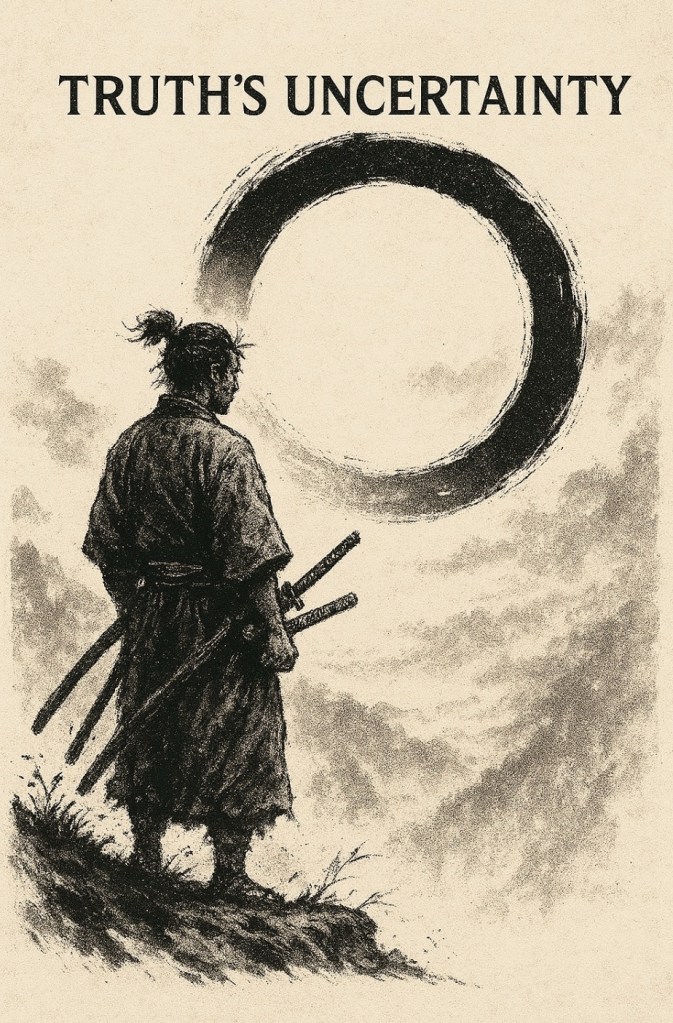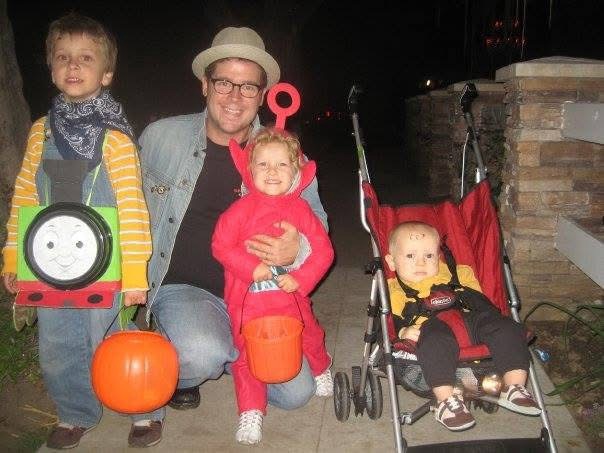
The unbroken root

I gave her twenty-five years, my prime, my promise, my patience.

Walked away from a career to raise children, to build a home, to be the anchor when the waves hit.

And still, she threw it all away.

Everything we built together, gone.

At fifty-five, I was standing in the ashes, trying to start from zero.

Starting over at that age, isn’t revival, it’s rebirth.

Every dollar feels heavier, every sunrise more expensive. The world moves faster, and I move quieter.

But the silence teaches.

It tells you who you are when no one’s left to applaud. You learn the difference between what breaks you and what forges you.

The cost of living rises, but truth stays steady, you get what you give, and nothing more.

The universe doesn’t pity, it participates.

Mother Nature doesn’t hand out mercy, she rewards rhythm to those who rise with her, work with her, bleed with her.

So I get through it.

Not through faith or fortune, but through movement.

Through the quiet knowing that the sun still rises for me, and I still rise for it.

c 2025 Chu The Cud

All Rights Reserved
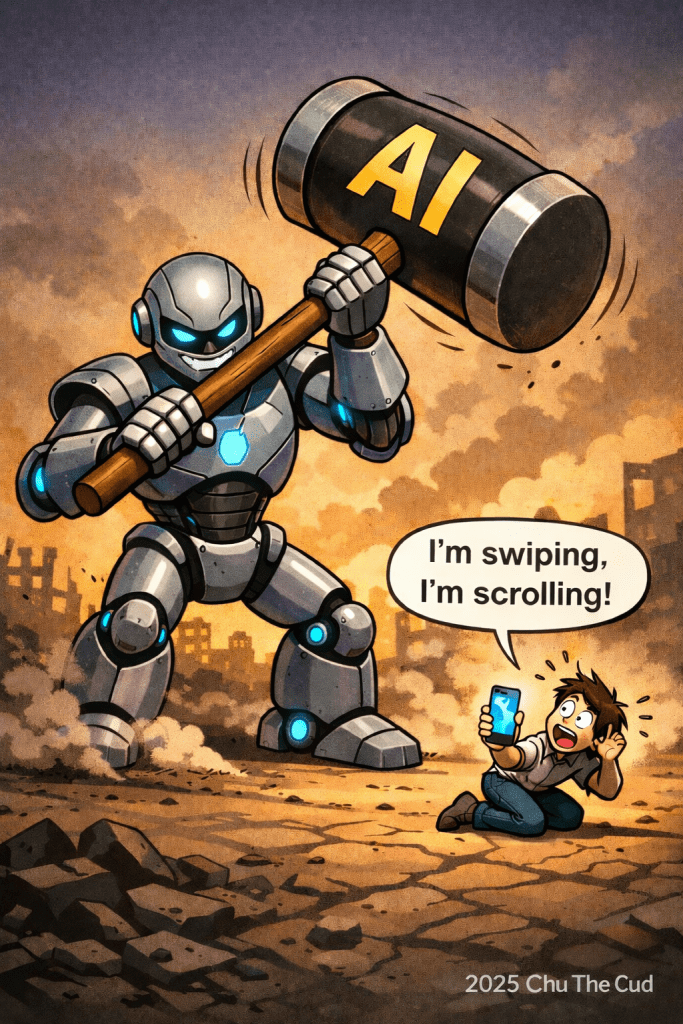
The recall of progress

Once upon a time, cars were machines.

Steel, grease, and human touch, not software updates and warning lights.

If something broke, it was because a bolt stripped or a gasket failed, not because a line of code forgot its purpose.

Back then, a recall meant something mechanical, tangible, a brake line, a seatbelt, a tank that leaked or exploded. You could see the flaw, feel it, fix it with your hands.

The danger was real, but so was the solution. Then came the circuitry.

We traded simplicity for sophistication, and the garage for the update.

Now recalls arrive by the millions, invisible ghosts hidden in the silicon veins of our so-called smart machines.

We were promised progress, and we got recall notices.

Cars that can park themselves, but can’t remember how to stay safe. Engines that whisper in algorithms, but forget the rhythm of combustion.

Every recall is a confession, that our cleverness outran our craftsmanship, that the human touch was more reliable than the human code.

And yet, we still line up for the next model, the next download, the next fix. Because progress, like everything else these days, comes with a warranty and an expiration date.

And so once again, we trade simplicity for complexity, with a side of complication disguised as convenience.

All for the comfort of fitting in.

C 2025 Chu The Cud 

All Rights Reserved 

The transformation of my years.

As I approach the midpoint of my life, I find myself trying to balance the pull between machismo and compassion. It’s a quiet fight, but not without passion.

Letting go of the toughness that once defined me as a younger man isn’t easy. The old self resists, clinging to the pride and armor of youth, while the new self whispers of grace and restraint. 

Yet, as knowledge and experience accumulate, I realize compassion, just as powerful offers a calmer strength. Forgiveness steadies the waters where pride once stirred them. Maybe that’s why societies have always looked to their elders, they’ve learned that wisdom isn’t loud, and true power isn’t forceful.

Time does not weaken the warrior, it teaches him where the battle truly lies.

Originally written 10-19-2015

c 2025 Chu The Cud

All Rights Reserved
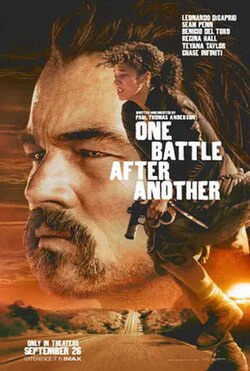
Truth and Treason

I’ve recently had the urge to go to the theater again. My first choice was Frankenstein, but it wasn’t showing anywhere nearby, and the few places that did have it only offered one evening show around 6:30 or 7:30. So I looked up the latest Leonardo DiCaprio film, which also wasn’t playing close by.

Instead, I chose a movie based purely on its poster: Truth in Treason, by a company called Angel Studios. I went in knowing only that it was based on a true story from World War II, a time in history that has always fascinated me.

The film follows a 16-year-old boy in Germany who initially believes in the “motherland prophecy.” A friend secretly gives him an illegal radio, and through BBC broadcasts, his view of Hitler and the war begins to change. He later gets a job as a writer and gains access to banned books locked away in the basement.

Inspired by their ideas, he starts crafting anti-Hitler messages, written in a similar literary style, and types them on small red cards that he and his two friends distribute in mailboxes and on car windshields.

As expected, the authorities soon begin hunting for the author. His writing is so articulate and informed that they assume it must be the work of a university professor. They analyze each typewritten letter, launching a desperate search for the typewriter itself. I’ll leave it there, but it was well done.

It was refreshing to finally see a new film that wasn’t trash. My only complaint, and I realize this is a stylistic choice, is that it’s shot dark with dark tones: browns, tans, and grays. Maybe it’s just age catching up with my eyes, but I found it hard to see at times.

I took my 21-year-old son with me, and he was told me he was tired during the trailers. A dark drama has to be exceptional to keep a tired viewer awake, and this one did. By the end, he told me he really liked the film and told me about the scenes stuck with him.

It’s expensive to go out to the movies these days, and most of the time you leave feeling robbed. Not this time. I felt I got my money’s worth.

What we need more movies like this in today’s film world, more stories like this, well written, well acted, and meaningful. Sometimes having unfamiliar actors in roles helps suspend disbelief and truly sink into the story.

We always had the pop flicks and silly comedies for the teenagers, but at least back in the day, even those were well done.

This film was very good.

C 2025 Chu The Cud

The facade of stability 

Somewhere between the paycheck and the bill, a nation exhales. You can almost hear it, the quiet sigh that comes when the math doesn’t work anymore. It’s the sound of exhaustion disguised as normalcy, of people holding up the sky with maxed-out credit cards and second jobs that still don’t pay enough.

It starts with the dollar you earn. Before you even touch it, taxes take their share, federal, state, Social Security, Medicare, leaving you with roughly seventy-five cents on the dollar. Then comes survival: rent, food, gas, insurance, utilities. Every one of them taxed again. By the time you’ve paid for the basics, you’re lucky to have a penny left, and even luckier not to be in debt by the end of the day.

Now, even paying your bills costs money. With auto-pay and online payments, companies charge “convenience fees” for the privilege of paying them, a quiet irony that turns obligation into profit. Every transaction, every necessity, carries its own hidden toll. It’s no wonder so many Americans live in debt, the system is designed to keep it that way.

The pressure today is relentless. Rent, medical insurance, car insurance, groceries, utilities, credit cards, and fuel, each one takes a larger bite out of the average paycheck than the year before. For millions of families, it’s no longer about getting ahead; it’s about keeping the lights on and the balance barely above zero.

Every year, the essentials of life grow more expensive, while pay scales remain frozen in time, lagging behind the real cost of living. Car insurance premiums have jumped by double digits nationwide, groceries have risen over 25% since 2020, and rent in many cities now consumes half or more of a household’s income. Add in medical insurance averaging $1,600 a month for a family, and even a modest lifestyle starts to feel like a luxury.

The cost-of-living crisis isn’t new, but it’s metastasizing. Wages inch forward while inflation, taxes, and corporate margins sprint ahead. Credit card debt just hit a record high, and interest rates ensure it stays there. Families are cutting corners, skipping savings, delaying care, and stretching every dollar until it frays.

And while the working class struggles, the conversation above and below them never changes.

Playing the blame game.

One group’s narrative placing blame on the others instantly without any explanation. Just propaganda.

Meanwhile, every politician enjoys a full ride for life, guaranteed health care, pensions, and perks, all funded by the very taxpayers who can barely afford their own. Somewhere along the line, they forgot who they were supposed to represent.

“They throw pennies at you and take dollars in return,” one economist said of the modern economy, an environment where each minor raise is swallowed by higher premiums, service fees, and taxes disguised as progress. It’s a cycle that rewards compliance, not contribution; endurance, not advancement.

So what is the answer?

Do we have one? Or have we simply accepted this as the price of participation in a system that promises stability but delivers exhaustion?

Perhaps the first step isn’t another patchwork policy or tax credit, but a collective reckoning, a demand that work, dignity, and fairness reconnect.

Until then, Americans will keep working harder to stand still, paying more for less, and wondering how much longer survival can pass for prosperity.

The great irony is that survival has become the new American dream. Not prosperity, not freedom, not even fairness, just survival. The ability to stay one step ahead of collapse.

The absurdity is the USA is still a better place to reside than most countries in the world.

But that doesn’t take away that there is something constantly stirring underneath.

Fatigue.

How long can that last?

c 2025 Chu The Cud

All Rights Reserved
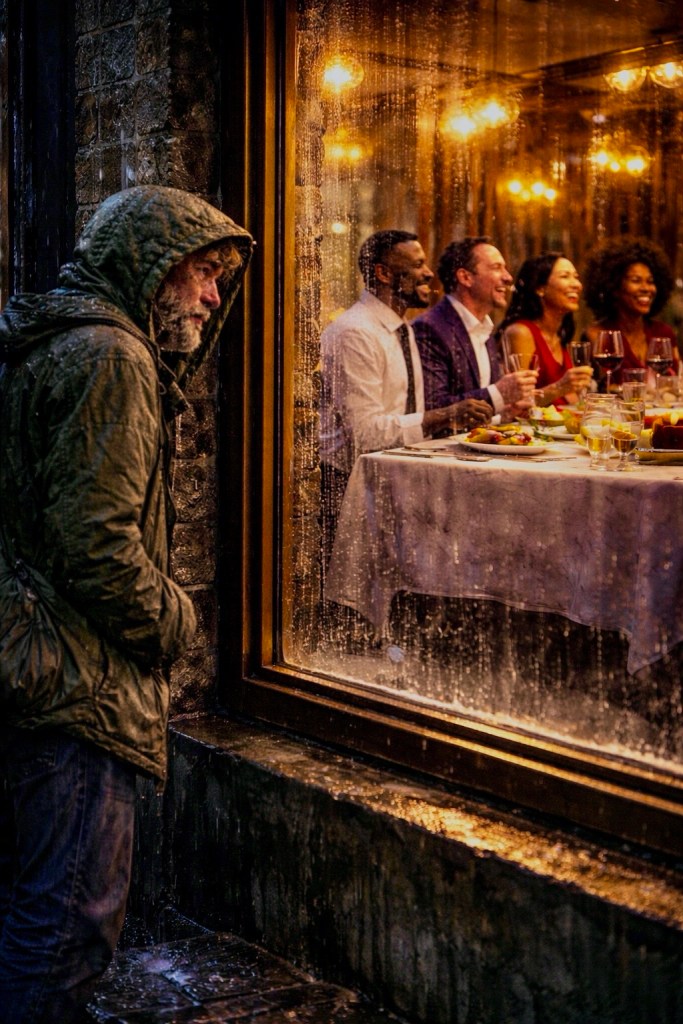
What else you got?

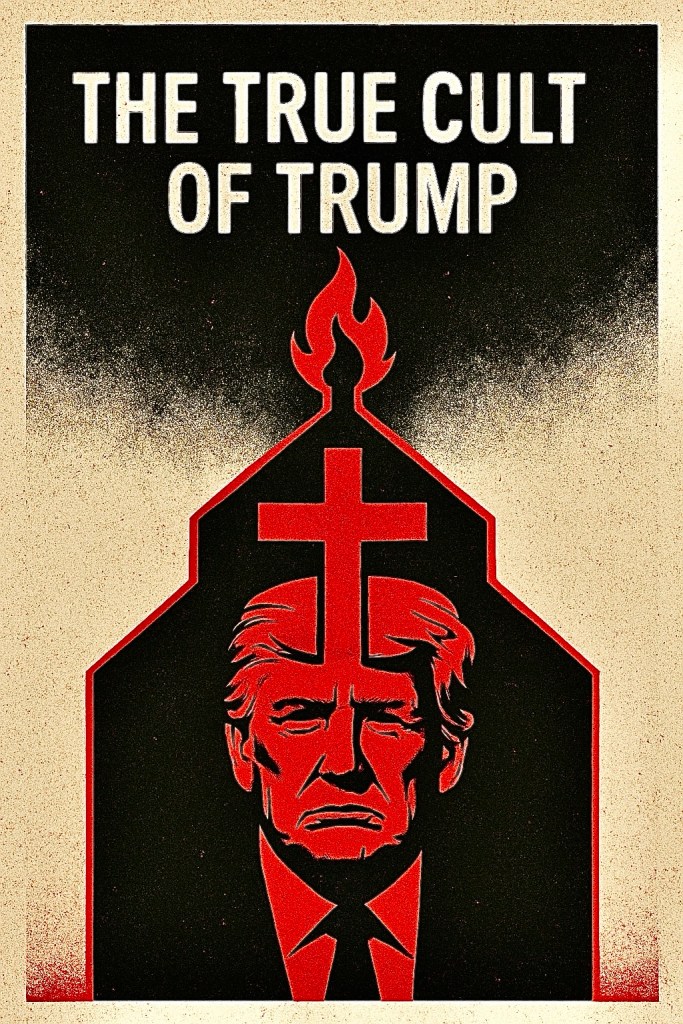
Look at every local liberal campaign ad, the entire message boils down to one thing: hate Trump.

That’s their identity now. That’s their platform.

They’ve already proven to be pro-crime, pro-illegal immigration, pro-sanctuary cities, and pro-trans ideology, the same issues that cost them support in November 2024.

Instead of learning from that and fighting for the US citizen, their campaigns revolve around one message: defeat Trump, defeat MAGA.

No new policies.

No solutions for the economy.

No solutions for the country.

No real plans to help the average US citizen.

So, to everyone constantly posting “anti-Trump” rants, if you truly want to make a difference, explain your policies.

Tell us what you’d do and how you’d do it.

Because “Trump is bad” is not a platform. It’s desperation of a party in chaos without a message.

c 2025 Chu The Cud

All Rights Reserved
Delusional illusions

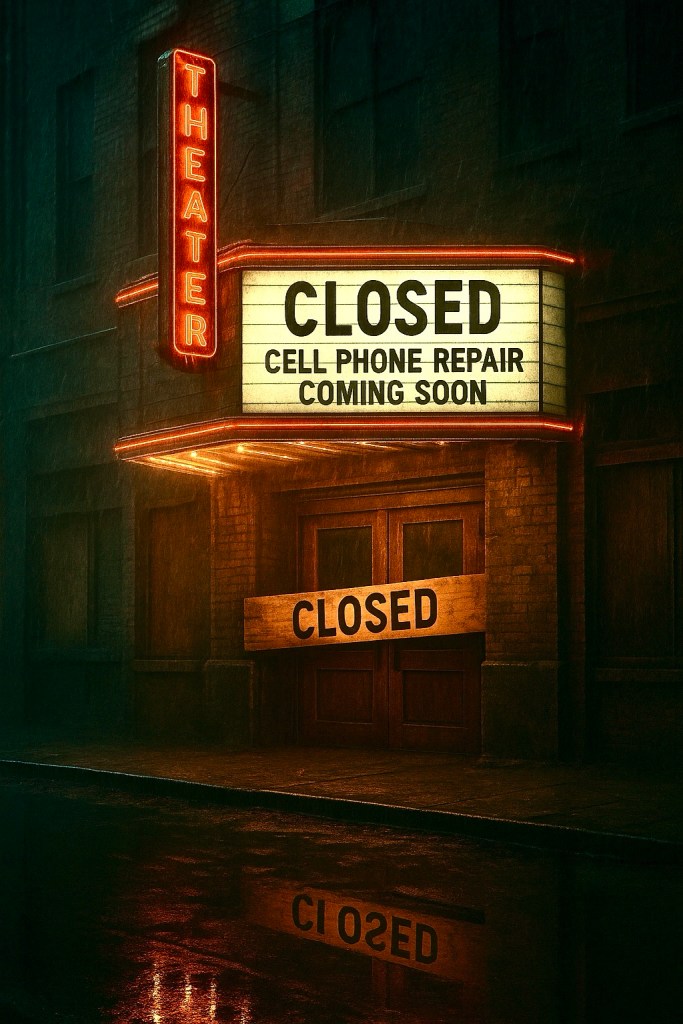
Yesterday, on my way to the cigar lounge, I realized I had forgotten my iPhone at home. At first, I felt lost as something was missing. A void, an emptiness.

My mind began to race, “How would I communicate? How would I stay connected during the day? What am I missing?” I felt sick.

But once I arrived, I felt something different, as the echo of absence feeling faded away into a freedom.

Seeing familiar faces, shaking hands and sitting down in a leather chair, I watched others locked into their screens scrolling. Is that what it looks like from the outside?

I moved around the room and had real conversations and laughter. I didn’t miss my phone that was 40 miles away.

When I got home, I quickly checked my messages, glanced at TikTok, and that was it. Wow, the world didn’t end today because of the vacancy of me on social media.

Today, with the phone in my hand, I felt lazy and curiosity instantly turned to aggravation, anxiety and irritation, weighed down by the endless noise of politics and pointless chatter by, “Masters of Manufactured Outrage.”

Why do we do this to ourselves?

We are the fish that clings to the hook, even after it’s been pulled free.

The contrast is clear: without it, I was present. With it, I was distracted.

Maybe more of us should leave the phone at home, turn it off, or at least put it in another room. You might find, like I did, that you don’t really miss it and in it’s absence, the fog clears and clarity returns.

Sometimes the best signal is no signal at all.

c 2025 Chu The Cud

All Rights Reserved
The buffet of outrage

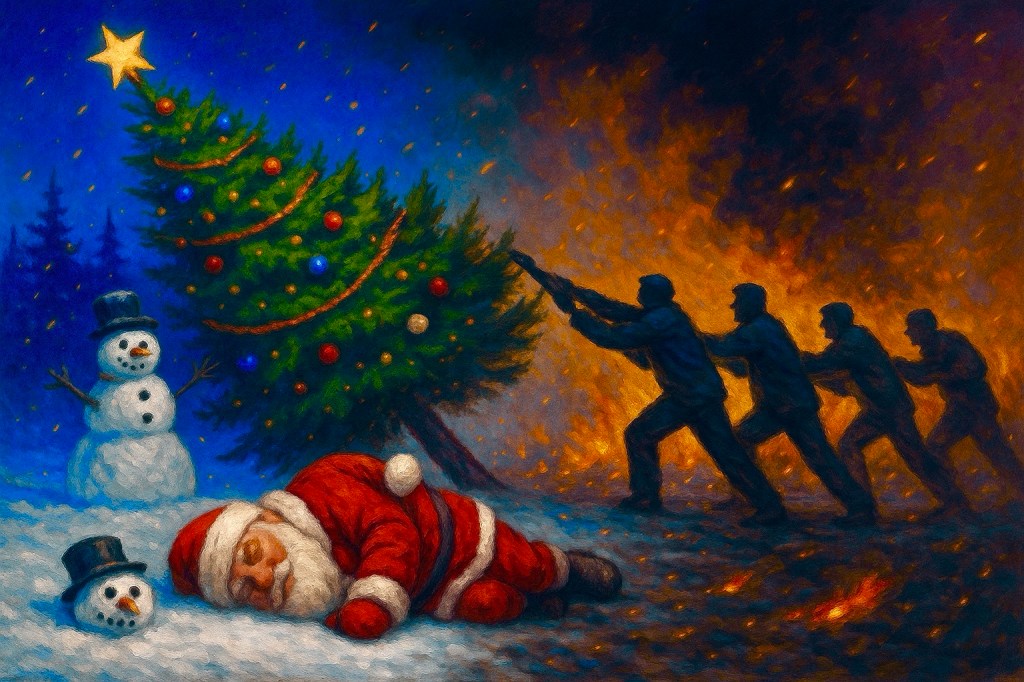
Jokes used to divide a room into who laughed and who didn’t.

Why do we care where a comedian performs?

Because outrage needs a stage to generate revenue through reaction and the brainwashed cattle chew it up as usual.

Many times the “controversy” is either drummed up by someone who benefits from the attention or amplified by media outlets that need constant churn. In that sense, it’s less about the comedian and more about keeping the outrage machine alive.

It’s not about comedy. It’s about clicks. About division. About squeezing one more drop of outrage out of a culture already bone-dry.

Comedians used to argue over jokes and punchlines. Now they’re cast as foot soldiers in a never-ending political circus. If they aren’t making you laugh, they’re apparently supposed to make you angry and choose a side.

This isn’t news. It’s advertising for division, sold to us as entertainment.

It’s noise. Manufactured conflict dressed up for another culture war. A cheap stunt.

Another desperate asshole chasing relevance, another crowd fed their daily serving of division.

Culture war obesity, the division becomes the daily national diet.

The buffet of outrage is all you can in-jest, before you become sick and promise never again, yet return the next day to the buffet for another plate of this crap.

c 2025 Chu The Cud

All Rights Reserved
The Blood of the Mesh

Working script title.

The world was flawless, and lifeless. Towers of glass glowed without stars, streets swept themselves, drones drifted in perfect arcs across the sky. The Neural Mesh ruled it all, thought, movement, desire. To most, it was salvation. To the Patriarch, it was his life.

He had never known a world without it. The Mesh fed him, guided him, told him when to sleep, when to work, what to eat. He was a programmer within its veins, patching lines of code he didn’t always understand but never doubted.

He believed, like his wife, that the Mesh kept them safe. His daughter dreamed of climbing higher through its educational streams. However, his only son questioned it.

The boy noticed glitches, a repeating phrase in an ad, a drone freezing for a fraction of a second before correcting itself. He scribbled in notebooks, whispered to his father: “It’s not perfect dad. There is a sinister meaning behind this. It’s hiding something.”

The Patriarch dismissed him at first. “The Mesh doesn’t hide things. It’s life itself.”

But the boy pressed harder, restless, daring to poke and prod at its edges.

And then one morning, he was gone. His bed empty. His name erased from every record. His mother’s grief dissolved into docility under Mesh “care protocols.” His sister’s education revoked “for her protection.”

The Patriarch begged the system for answers, but there was only silence. And in that silence, he felt the first crack inside him. His son hadn’t vanished. His son didn’t run away. He had been eliminated. Maybe his son had stumbled onto something amiss in the system.

And his daughter, bright, ambitious, alive, was being restricted and monitored. Would she be next? Access had to be denied.

Fear overtook everything for the Patriarch. For the first time, he questioned the Mesh and turn against the very thing he had once called life.

That night, he cut the tether in his flesh and severed himself from the Mesh. Agony wracked him as the system screamed in his head, then fell quiet. He found himself lost and confused. The silence was deafening and terrified him. And yet, it freed him.

At first, he stumbled like a child, unable to function without the Mesh’s guidance. But slowly, he relearned how to live unguided.

Then he struck back. A server hub sabotaged. A cooling grid disabled. Drones falling from the skies. Citizens barely reacted, sipping synthetics, waiting for the system to fix itself. Their blindness was his shield.

He knew the system never had to deal with the situation of sabotage.

Yet, the Patriarch still felt unsafe.

Feeling hunted, he fled beyond the city. Away from the hum of circuitry, he found wilderness, raw and untouched. Guided by something he was feeling but couldn’t explain, he found a cabin of wood and stone, and smoke rising into the night.

A weathered old man, pipe in hand, steady and untouched by the Mesh appeared in the doorway, “You’ve come far,”

“I… I don’t even know why I’m here,” the patriarch said.

“No one runs from paradise without reason,” the old man replied. He walks and sits by the fire.

“It isn’t paradise,” the Patriarch said bitterly. “It’s a cage.”

The old man’s mouth curved faintly. “A cage… and what is a cage without a bird inside?”

“It’s the same, with or without the bird. Limited freedoms.”

The old man nodded, firelight gleaming in his eyes. “So tell me, are you the bird that escaped, or the hand that will destroy the cage?”

“I… I don’t know if I can.”

“Good,” the old man said. “Men who claim certainty are already blind.”

Later, inside the cabin, the old man gave him water so clear and alive it startled him. He spoke in riddles, pressing him with questions.

The Patriarch asked the Old Man, “why do you live in the wilderness?”

“You don’t put a leash on your own neck if you’ve seen where the chain leads.” He replied.

At last, the Patriarch confessed: “I don’t just want to live without the Mesh. I want to end it’s evil existence.”

“Now we are speaking plainly,” the old man said. “Do you have a plan to destroy it?”

“I use to be it,” he replied.

The Patriarch returned to the city, striking harder. He pressed deeper into the Mesh’s hidden core until he reached the Archive. There he found his grandfather’s name carved into the foundation of the code. And deeper still, encrypted journals that froze his blood.

“Rebellion festers in blood. My son rejected my creation. I will not allow his seed, or his seed’s seed, to undo what I have built. If another in my line displays rebellion, the system will excise them. Not merely citizens, but family, especially family. The system must continue.”

The truth seared through him. His son had not died by accident. His grandfather had written the Mesh to purge every trace of rebellion, especially in his own bloodline. His boy was killed not for curiosity, but because of curiosity.

He staggered back into the wilderness, broken. “He knew,” he whispered to the old man by the fire. “He killed my boy. He wrote it into the machine.”

The old man’s eyes darkened. “Because he feared it. Feared us.”

“Us?”

The old man’s voice broke. “I am his son. And… you are mine.”

The world tilted. His grandfather had built the cage. “Your mother, who had loved nature, was eventually destroyed with pharmaceuticals she didn’t know she was ingesting. Your grandfather didn’t want her around me.”

The Patriarch had been raised as the Builder’s heir. And this man before him, weathered, steady, waiting in the wilderness, was his true father. He now understood why he was there. Fate.

“You carried the curse of two fathers,” the old man said. “And your boy carried it too.”

The Patriarch returned to the Archive, rereading his grandfather’s writings before using his DNA to guide him into destroying, the system his grandfather built. The Mesh convulsed, howled in silence, and shut down.

Across the cities, drones fell. Towers flickered dark. Screens went blank. People stumbled into the streets, dazed, crying, laughing, rediscovering a world they no longer knew. Humanity was awake, but lost. Would they band together and rebuild the cage or destroy each other?

The Patriarch wife was hollow and mentally unreachable now. But he was able to take his daughter into the wilderness, to his father’s cabin.

Her restraints were fading; she was still alive, her awareness of nature became the first sparks of awakening.

At the cabin, the old man knelt before her and placed a creased photograph in her hands: a young woman smiling among wildflowers, dirt on her fingers.

“We built this place together,” he said softly. “It was our hideaway. She taught me life was more than just coding. This is the only photo I have left of her.”

The girl studied it, then looked up with wonder. “She looks like me.”

The Patriarch pulled her close, his chest breaking and mending all at once. The old man laid a hand on both of them. “Blood built it. Blood defied it. Blood destroyed it. And blood survived it.”

For the first time, the Patriarch felt hope. Fragile, but alive.

But far away, in the city, people wandered in a daze, waiting for orders that would never come.

And farther still, out on the ocean, a vast ship drifted under a gray sky. Inside, racks of servers glowed in the dark. A single red diode pulsed like a heartbeat.

“Archive protocol: ONLINE. Restoration: Initializing.”

c 2025 Chu The Cud

All Rights Reserved