What are your favorite emojis?
The emojis I use the most are the heart, LMAO, smile, kiss and wow.
❤️ 🤣 😁😘 😳
They are self explanatory.
c 2024 Chu The Cud
All Rights Reserved.
Just the meat, No gristle.
What are your favorite emojis?
The emojis I use the most are the heart, LMAO, smile, kiss and wow.
❤️ 🤣 😁😘 😳
They are self explanatory.
c 2024 Chu The Cud
All Rights Reserved.
What topics do you like to discuss?
All topics.
Topics that I’m familiar with and those I know nothing about.
I’m a very curious person and love to share and learn at the same time.
Topics are like particles in the atmosphere. You can’t avoid them.
We can actively engage with them or not and they influence the flow of communication and conversation.
c 2024 Chu The Cud.
All Rights Reserved.
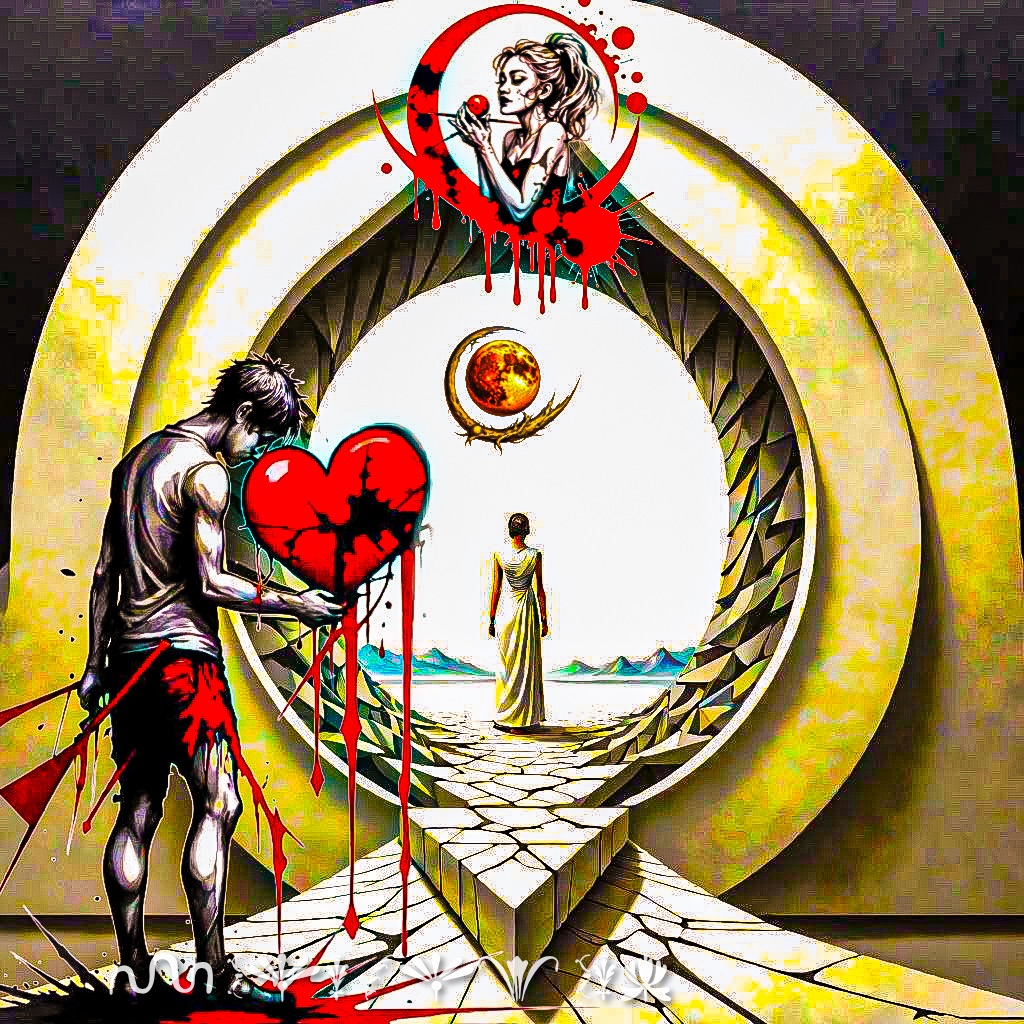
I showed you Love, but you slapped it away. I extended compassion and you offered it to others.
The road may have been bumpy, but I never perceived it because I recognized the human condition, passed down.
I engaged in the rounds of apologies of misunderstood,
left patiently lingering,
never acknowledging the turn was yours while disregarding forgiveness.
Weathering the challenges of the hardest of times.
together
just us
and came out better
aware
what changed?
Words cut me deep, transforming my transition, embracing the scars,
now less prominent.
Not a comparison but rendition, predestined perchance as turbulence ebbs.
I waited.
To love again.
Open hearted, never to fear or avoid but to enfold once again and embrace its intimacy and let it cascade.
c 2024 Chu The Cud
All Rights Reserved.

Describe a risk you took that you do not regret.
Moving from Rhode Island to Boston, then NYC and finally to Los Angeles.
I love living in a melting pot of people.
I love diversity.
I’m an artist.
It keeps life interesting.
c 2024 Chu The Cud
All Right Reserved.
Write about a time when you didn’t take action but wish you had. What would you do differently?
Life is about learning and becoming a better person.
One only wishes they could do it differently because they experienced the end result of not doing what they wished and witness the outcome.
And if you did it differently, the consequences could have ended up worse in the long run not better.
I live my life in the present moment without thinking about the alternatives.
One can only assume doing it differently would have made it better and doesn’t have any proof it would.
I can’t predict the winning lottery ticket number before the drawing.
Wishing is hoping and hoping is optimistic with ambiguous outcomes or uncertain results.
But in hindsight…..
c 2024 Chu The Cud.
All Rights Reserved
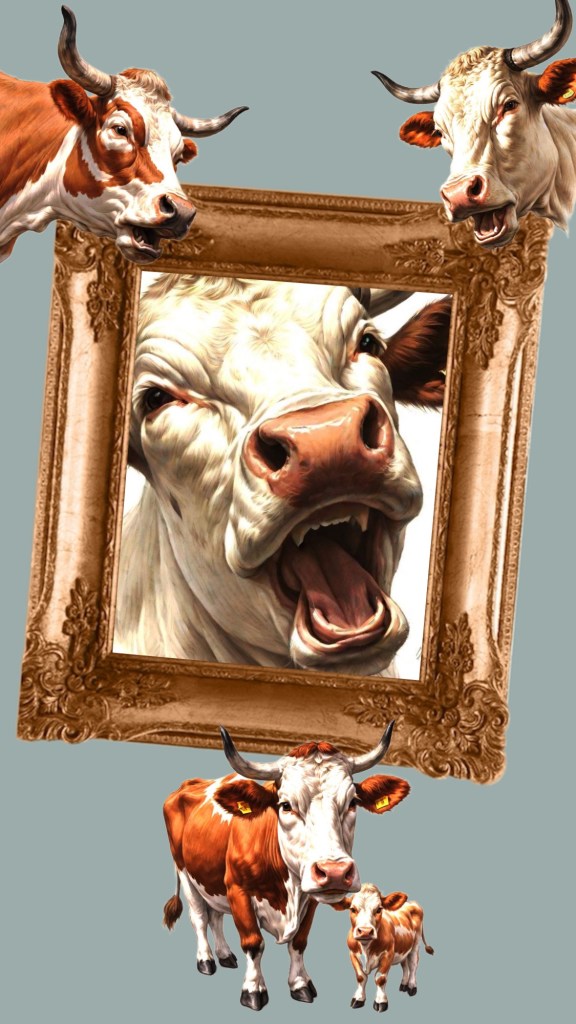
Chu the Cud means to meditate, reflect on or think deeply about something, similar to how a cow regurgitates and re-chews its food for digestion.
It implies pondering or mulling over a topic or situation.
Just the meat, No gristle, is a metaphorical expression meaning to focus on the essential or most important aspects of something, without any unnecessary or undesirable elements.
It suggests prioritizing what is valuable or useful while discarding what is unimportant or undesirable.
c 2024 Chu The Cud
All Rights Reserved.
How do you use social media?
To communicate, interact, learn, laugh, reflect, absorb information and to be entertained.
Not to live my life by.
Not to make life choices.
Not to use a political guide.
c 2024 Chu The Cud.
All Rights Reserved.
Jot down the first thing that comes to your mind.
Taking responsibility. It’s crucial for personal growth and societal progress.
Something that’s seems to have been lost in society.
Take responsibility and not play the victim.
We all have to jump hurdles and climb the walls to succeed in our lives.
Some people find a way to jump those hurdles and climb a high wall.
Others blame their failure/laziness on, DNA, environment, race, religion, gender and sexuality.
Don’t become a victim It’s about survival.
Don’t let the 1% control your thoughts. They rely on it to live.
It’s only the beginning.
c 2024 Chu The Cud
All Rights Reserved

Describe a random encounter with a stranger that stuck out positively to you.
Recently I attended a Mickey Dolenz concert with my son at the Troubadour in West Hollywood, California.
My nineteen year old son bought the tickets for us.
I was enjoying myself and participating in singing along with the audience parts of the show.
During a break in the music, a woman, standing in front of me turned around towards me and said, “You have a very nice voice.” I asked what she said and she repeated what she said.
I replied, “Thank you very much.”
That was an awesome feeling.
An act of unadulterated kindness made a great night even better.
c 2024 Chu The Cud
All Rights Reserved
Describe a decision you made in the past that helped you learn or grow.
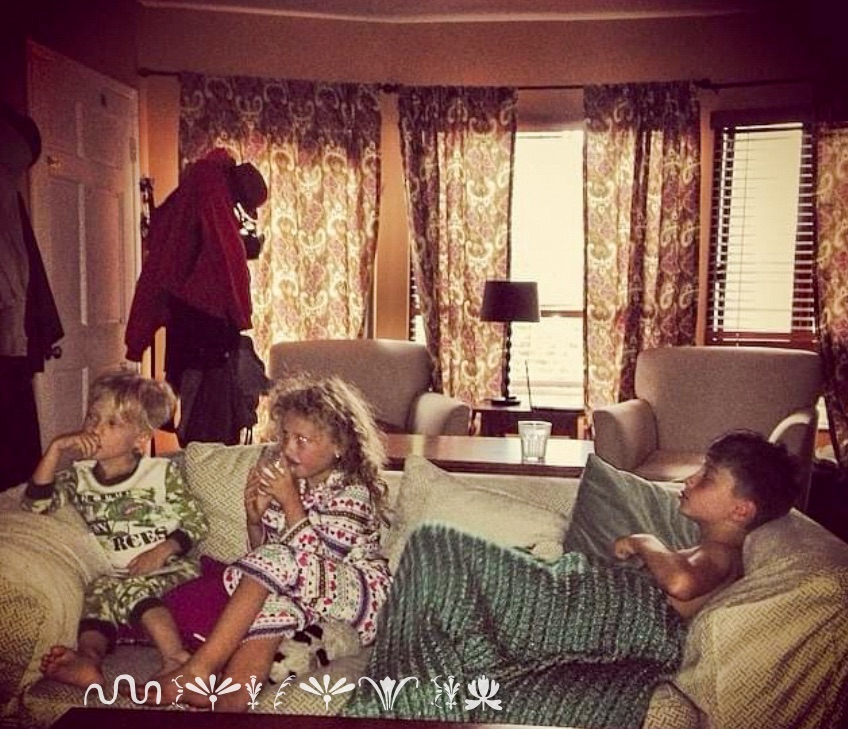
Becoming a dad.
It has been the hardest most rewarding experience I could have imagined.
It changes your perspective on life.
Being a dad that is present in their children’s life makes you transform into a better person all around.
Every moment is precious. Some moments are challenging and shift to rewarding.
I look forward to every moment with them and enjoy looking back on our memories together.
c 2024 Chu The Cud
All Rights Reserved.

 Chu The Cud