“Gladiator 2” fell short of expectations on several fronts. The film suffered from weak character development, with the main characters feeling miscast and difficult to connect with.
The script lacked depth, leaving me indifferent to the characters and their journeys. There was no clear emotional contrast between good and bad, which diluted any sense of stakes or urgency.
The acting across the board was underwhelming, and moments like the lead’s wife’s death in the opening felt forced and unconvincing, failing to evoke any real emotion.
The cinematography didn’t help, as many scenes were overly dark and visually difficult to engage with.
Pacing issues left me waiting for something impactful to happen, only to be disappointed by a lackluster climax that didn’t deliver.
The film’s only standout moments came from flashbacks featuring Russell Crowe, which served as poignant reminders of the original’s greatness.
Unfortunately, these glimpses of the past only highlighted how much this sequel failed to live up to its predecessor.
Watch the original again and save yourself the cost of the movie ticket and snacks.
I’ve experienced both the beach and the mountains, and each offers an equally incredible experience in its own way.
Instead of choosing one over the other, why not ask, ‘What do you love about being in the mountains?’ or ‘What do you love about the beach?’ This way, we can celebrate the distinct joys that each brings without needing to compare them.
Write about the appreciation of both.
The smells at the beach differs completely from the smells on a mountain. Inspiration in their own right.
The salty tang of the ocean breeze and the earthy, piney aroma of the mountains each evoke unique moods and memories.
They’re sensory experiences that inspire in deeply personal and contrasting ways.
The rhythmic crashing of waves and the cries of seabirds circling above create a symphony of nature’s untamed beauty. It’s a raw and vivid reminder of the wildness that thrives at the edge of land and sea, where life moves in harmony with the elements.
Such moments inspire awe and connection to something greater than ourselves.
The mountains offer a profound sense of serenity and connection to nature.
The wilderness, untouched and raw, feels like a sanctuary, where the crisp air and towering peaks make you feel closer to the sky.
Without the glare of light pollution or the chaos of urban life, the stars shine brighter, and time seems to slow down, inviting reflection and awe. It’s a humbling reminder of the vastness of the world and the peace found in simplicity.
So to sum it all up, I prefer both because I love the variety of variety in my life.
Why choose when you can embrace the best of both worlds.
PT Barnum coined the phrase, “There’s a sucker born every minute.”
There are two interpretations of this quote:
Some people are gullible enough to believe in something too good to be true.
To be skeptical and critical when confronted with extraordinary claims or enticing opportunities that seem too good to be true.
“Fool me once shame on you, fool me twice shame on me.”
The earliest recorded version of the quote above, appeared in 1650 in a book titled “The Court and Character of King James” by Anthony Weldon, which includes a similar sentiment:
“The first time a man deceives me, it is his fault; but if he deceives me a second time, it is my fault.”
Optimism doesn’t require credulity.
Critical thinking or common sense should be taught to our youth.
Critical thinking encourages individuals to question, analyze, and make informed decisions rather than relying on blind acceptance, conformity bias or assumptions.
It’s seems our teaching institutions now push a collective mindset which is detrimental to young minds by closing down thinking critically and creatively.
You should move away from the latter.
To be able to see the difference between insanity and rationally.
To question or not to question, that is the question.
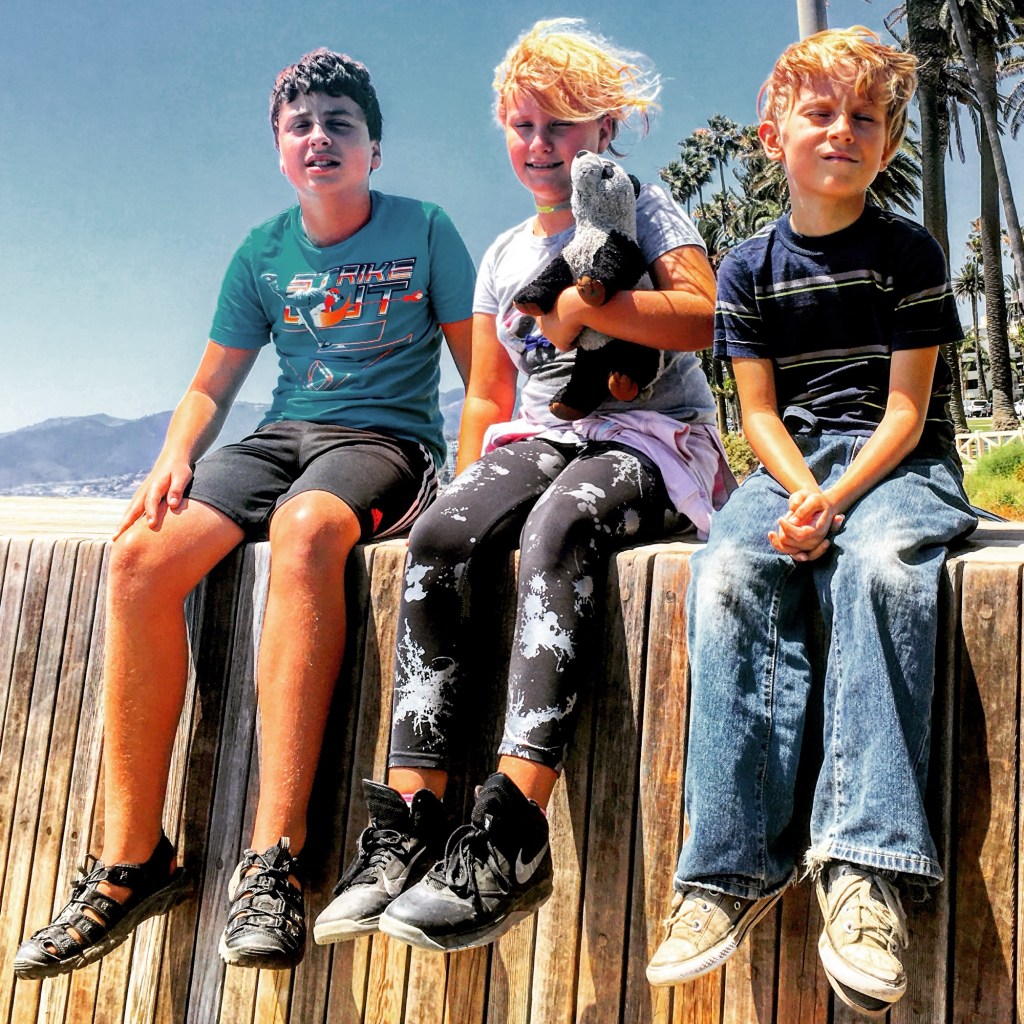
I stepped away from a promising career when my children were born.
They became my life’s work, my focus, my priority. It wasn’t always easy, mentally, physically and financially. But I stayed the course.
My goal was to equip them with common sense and the tools to stand on their own, prepared for life’s demands in every way.
That is the commitment of a parent.
Life has grown even more challenging now that I’m a single parent, mentally, physically and financially, yet I haven’t wavered in my responsibility to them.
That is the commitment of a parent.
I’ve put my life on hold, yet I spend the time I have nurturing my mental, spiritual, artistic and intellectual growth, focusing on living healthily.
That is the commitment of a parent.
I have learned more about how to live life from them, than I could have ever without them.







 Chu The Cud